






Site and Road Barricades: Types and Applications

SONCO, July 9, 2020
Read more about the author


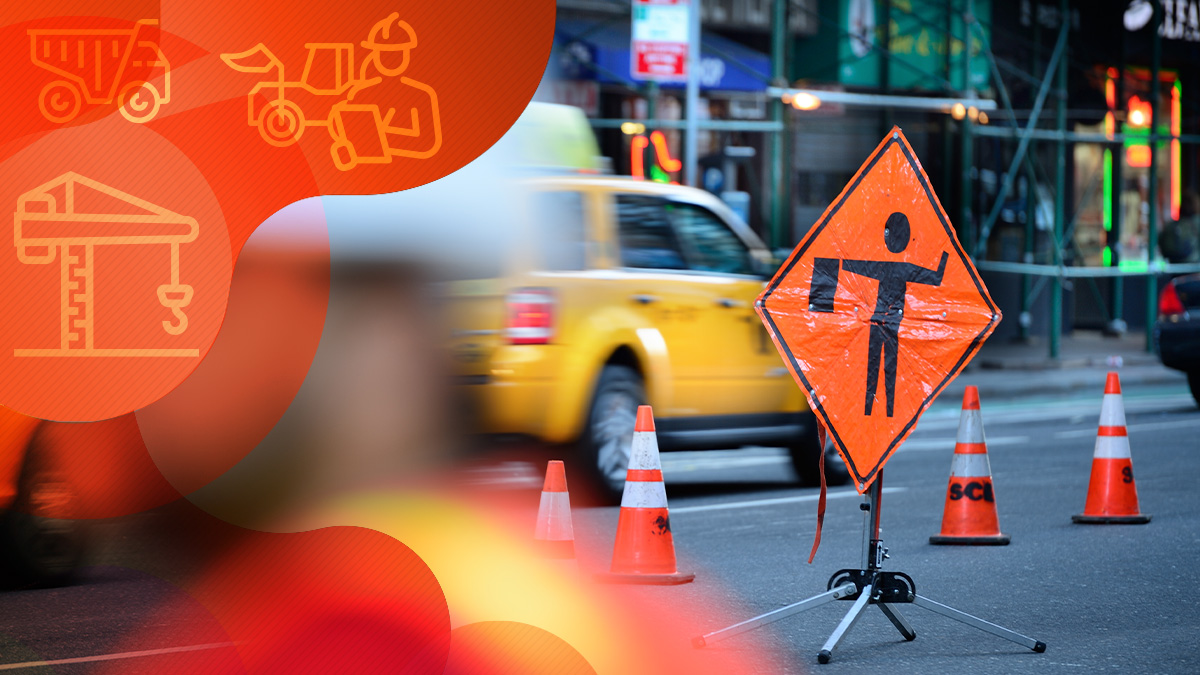
Site barricades are temporary barriers used to separate work areas, restrict access, guide pedestrians, and redirect traffic around a hazard. The right equipment depends on the work environment, the speed of nearby traffic, and the level of traffic control the project requires.
This guide compares the main traffic barricades used on construction and roadway projects, explains where each type fits, covers the equipment that works alongside them, and lists what to consider before you buy or rent.
Common Types of Site Barricades
In short: Type 1, Type 2, and Type 3 barricades are the most common choices for work zones. They differ mainly in size, reflective surface area, and the level of closure they provide. Other portable barricades fill in when you need simple access control rather than a roadway device.
Type 1 Barricades
Type 1 barricades are compact, portable devices suited to pedestrian areas, parking lots, and low-speed work zones. They are easy to move and set up, which makes them a practical option for short-term closures and areas where drivers are traveling slowly.
Type 2 Barricades
Type 2 barricades offer additional reflective visibility compared with Type 1. They are commonly used for roadwork, utility projects, and lane closures where drivers need a clearer visual cue, including in low-light conditions.
Type 3 Barricades
Type 3 barricades are designed for road closures and major traffic diversions. Their larger size and greater visibility make them the usual choice when a roadway or lane must be fully closed to traffic, such as during highway maintenance.
Other Portable Barricades
Not every site needs a roadway barricade. Plastic barricades, metal barricades, and water-filled barriers can be a better fit for temporary access control, pedestrian separation, and work-area boundaries. Browse plastic barricades when you need a lightweight option that can be weighted for stability.
Site Barricade Comparison
| Barricade type | Common applications | Key consideration |
| Type 1 | Sidewalk closures, parking areas, pedestrian zones | Portability and visibility for lower-speed settings |
| Type 2 | Roadwork, utility projects, lane closures | Additional reflective visibility |
| Type 3 | Road closures, highway maintenance, major diversions | Greater visibility for closure applications |
| Plastic barricades | Temporary work zones and access boundaries | Added ballast when appropriate |
These categories are not interchangeable in every traffic control situation. Always confirm the device against your project specifications and local requirements.

Where Are Site Barricades Used?
Site barricades appear anywhere a temporary hazard or restriction needs to be clearly marked. Common applications include:
- Road construction: closing lanes or roadways and redirecting vehicles.
- Utility work: marking open excavations and short-term work areas in or near the roadway.
- Parking facilities: blocking off repair zones, closed aisles, or restricted areas.
- Sidewalk closures: keeping pedestrians out of a hazard area.
- Municipal maintenance: protecting crews during repairs, striping, and inspections.
- Temporary pedestrian detours: guiding people safely around a work area.
The application drives product selection. A pedestrian detour in a parking lot has very different visibility and stability needs than a lane closure on a high-speed road.
Other Traffic Control Equipment for Construction Sites
Barricades work best as part of a complete setup. These products help establish a more organized work zone, and you can find them in SONCO’s traffic control equipment category:
- Traffic cones mark temporary boundaries and lane changes.
- Delineators channelize traffic and mark restricted areas.
- Channelizer drums provide highly visible work-zone delineation.
- Cone bars connect cones to create a continuous temporary boundary.
For day-to-day setups, traffic cones and delineators are often combined with barricades to guide drivers into and through the work zone.
How to Choose the Right Site Barricades
Use these criteria to narrow your options:
- Traffic speed and surrounding conditions. Slower, lower-volume areas such as parking lots call for different devices than roadways with faster traffic.
- Required visibility. Consider daytime and nighttime conditions, and whether reflective sheeting is needed.
- Project duration and how often equipment will be moved. Short-term or frequently relocated setups favor lightweight, portable devices.
- Ballast, stability, and accessory compatibility. Wind, traffic, and surface conditions affect how much weight a barricade needs, and some projects require lights or other accessories.
- Applicable MUTCD requirements and project specifications. Confirm what your approved plan calls for before ordering.
Requirements depend on the specific application and jurisdiction, so check with the project owner, traffic control supervisor, or local authority when in doubt.
Site Barricade Safety and Placement Considerations
Barricades support a safe work zone, but they do not guarantee safety on their own. Good placement and upkeep matter just as much as the equipment.
- Follow the approved traffic control plan. Sketching the layout, or printing a map of the roadway, helps you plan equipment before setup.
- Give drivers enough advance warning. Drivers need time to see the change ahead, understand it, and react.
- Plan tapers and buffer zones carefully. A gradual taper gives drivers room to adjust, and a buffer zone between traffic and work activity adds separation. Follow your plan and relevant standards for both.
- Keep devices closely and consistently spaced. Wide gaps make it easier for drivers to miss or drift between devices.
- Check stability regularly. Confirm that barricades are upright, weighted as needed, and still in the right position after wind, traffic, or site changes.
- Keep pedestrian routes clear. Detours should be obvious, unobstructed, and free of hazards.
- Maintain visibility. Clean, damaged, or faded reflective surfaces reduce effectiveness.
- OSHA and local rules for signs, signals, and barricades also apply on many projects, so review your obligations before work begins.
FAQs About Site Barricades
What are site barricades used for?
Site barricades are temporary barriers that define work areas, restrict access, and guide pedestrian or vehicle movement around hazards such as construction, utility work, or maintenance.
What barricades are best for construction sites?
It depends on the project. Type 1 barricades suit pedestrian separation and low-speed areas, Type 2 barricades suit roadwork needing extra visibility, and Type 3 barricades suit full closures and major diversions.
Are traffic barricades required for road construction?
Requirements vary by roadway, work activity, approved traffic control plan, and local regulations. Check your project specifications and applicable MUTCD guidance to confirm which devices are required.
What is the difference between a traffic barricade and a traffic cone?
A barricade is a larger device used to close, restrict, or block an area. A traffic cone is a smaller channelizing device used to mark boundaries and guide traffic along a path. Many work zones use both.
Can traffic barricades be used at night?
Yes, when they have the reflective sheeting and visibility features required for the conditions. Some traffic control plans also call for added devices, such as lights, so confirm what your project requires.
Choose the Right Site Barricades for Your Project
The right site barricades help define work zones, guide traffic, and support pedestrian safety during construction and roadway maintenance. From Type 1 barricades for pedestrian areas to Type 3 barricades for major road closures, choosing the appropriate equipment starts with understanding your site’s conditions and traffic control requirements.
Explore SONCO’s traffic barricades and traffic control equipment to find products for your next project.
Trend now

Temporary Fence Rental Lifespan: Tips to Make Your Fence Last Longer
Learn the storage habits that extend the lifespan of every panel.

How to Manage a Crowd at an Event: A Complete Guide for Event Managers
Learn how to manage a crowd at an event with proven strategies for planning, signage, barriers, staffing and more.

How to Install a Mesh Chain-Link Fence: Step-by-Step Guide
Learn how to install a mesh chain-link fence step by step.
Search for category
Request a quote now! 