







What Is a Site-Specific Safety Plan and How Do You Create One?
Learn what a site-specific safety plan (SSSP) is, what it must include, how to meet OSHA requirements and how to create one that keeps your team safe.

SONCO Safety Marketplace, July 8, 2024
Read more about the author


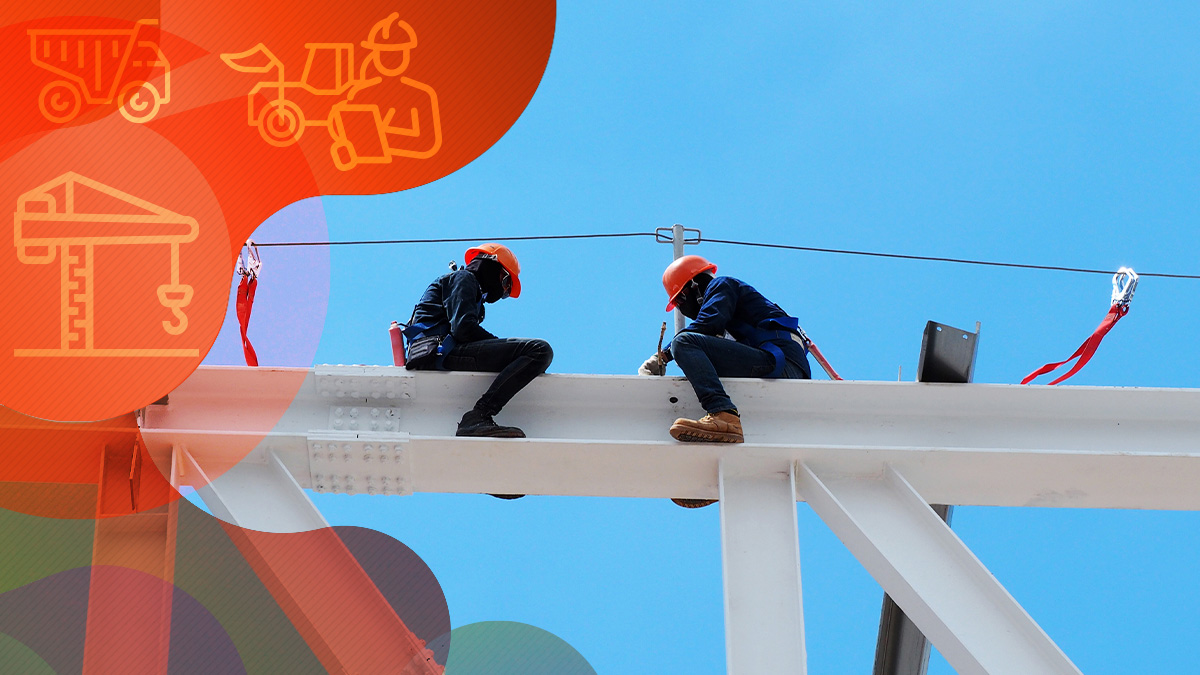
A site-specific safety plan (SSSP) is one of the most important documents a construction company can have. It protects your team, reduces liability, keeps you on the right side of the Occupational Safety and Health Administration (OSHA) requirements, and sets clear expectations for everyone on the job site before work even begins.
If you've never created one before, or if your current safety plan feels generic and disconnected from the actual conditions of your projects, this guide covers everything you need to know — what a site-specific safety plan is, what it must include, who is responsible for creating it, and how to make sure it actually works in practice.
What Is a Site Specific Safety Plan?
A site-specific safety plan (SSSP) is a formal document that outlines the safety protocols, procedures and requirements for a particular construction project or job site.
Unlike generic company safety policies, an SSSP is tailored to the unique conditions, hazards and scope of a specific project.
Every SSSP is different because every job site is different. A high-rise construction project in a dense urban area has completely different risks than a highway resurfacing job or a residential renovation. The SSSP accounts for those differences and gives everyone on site a clear, project-specific framework to work within.
Key Components of an SSSP
According to the U.S. Bureau of Labor Statistics, 46.2 percent of fatal slips, trips, or falls in 2021 were construction industry related.
Thorough SSSPs can help construction companies avoid adding to those numbers -- one reason so many owners and architects require them as a rule. Here are some key components to include in yours.
Site-specific information and conditions
In addition to basic site information like location, description, and any available visual diagrams, an SSSP should thoroughly cover any potential on-site hazards. Include any hazardous materials that may be present (such as asbestos), potentially dangerous conditions (like electrical hazards or air quality issues), and detailed protocols for dealing with each.
Project type and scope
All good SSSPs should include details on the type of work involved, the scope of the project, and the expected timeframe for project completion. If there are specific milestones or additional deliverables involved, include those details, as well.
Weather-related protocols
A solid site safety plan also considers situations outside the everyday norm, such as shifts in the weather that could affect the construction site or the project. Devise a plan for protecting the site, your equipment, and any completed work in the event of inclement weather.
Include details that dictate which conditions call for a suspension of work or the implementation of additional safety measures while work continues as planned.

OSHA Requirements for Site-Specific Safety Plans
The Occupational Safety and Health Organization (OSHA) has its own protocol for what constitutes a firm foundation for a site-specific safety plan.
Here’s an overview of each factor that must be present to meet current expectations:
- Management leadership: Firm leadership and thorough safety go hand in hand. Project management personnel on every level are responsible for setting standards, providing adequate resources, such as personal protective equipment, and ensuring safety standards are met.
- Worker participation: Every construction project worker is part of the process of maintaining safety standards and should be adequately involved. Everyone must understand their unique role and what they need to do to fill it.
- Hazard identification and assessment: Once site-specific issues are identified and planned for, it’s essential to continually identify new or changing hazards via regular inspections.
- Hazard prevention and control: Once you identify on-site hazards, you need a plan in place to control conditions and prevent potential mishaps. Your control plan's effectiveness should also be evaluated and measured periodically.
- Education and training: Comprehensive training ensures all workers (permanent or temporary) are fully trained to spot and quickly handle site hazards. Training may be required for any new personnel entering the site.
- Program evaluation and improvement: All construction projects need a plan in place for evaluating the effectiveness of control measures and taking any necessary action. Overall, improving safety measures should be as much a priority as setting them in the first place.
- Coordination and communication: All workers involved in a project need to work productively together to keep the site safe and protect the integrity of the work. This includes the host employer, any contractors involved, etc.
OSHA doesn’t typically require the creation of an SSSP before work can begin on a new project. However, this can change according to certain project criteria. Examples include projects that involve hot work (welding, soldering, etc.), working at potentially dangerous heights, dangerous substances, or potential exposure to blood-borne pathogens.
OSHA also requires construction companies to compose written action plans for fire prevention and hazard communication. This action plan doesn’t necessarily have to be part of the SSSP.
Who Is Responsible for Creating a Site Specific Safety Plan?
In most cases the primary contractor or project manager is responsible for creating the SSSP before work begins.
They have the broadest understanding of the project scope, the site conditions and the team involved, which makes them best positioned to identify hazards and define protocols.
On larger projects with multiple subcontractors, each subcontractor may be required to submit their own SSSP that addresses their specific scope of work.
These individual plans are then reviewed and consolidated by the general contractor to ensure consistency across the entire site.
Regardless of who writes it, the SSSP should be reviewed and signed off by site supervisors and made accessible to every worker on the project. Safety is a shared responsibility, and the plan only works if everyone on site understands it and follows it.
How the SSSP Works to Create a Safer Job Site
You can create site-specific safety plans via traditional means or digital alternatives that help facilitate smoother communication and easier access. Here’s a closer look at how they help make construction sites of all types safer and more efficient overall.
Lower insurance costs
Implementing a SSSP can save construction companies money by lowering insurance costs. The safer you are, the less of a risk you pose to existing or potential insurers. Lower insurance costs can, in turn, help companies provide better coverage in case of illness or injury.
Reduced accident risk
Falls, mistakes, and missteps aren’t just inconvenient when you work construction. They can easily result in the permanent injury or death of team members or bystanders. Comprehensive SSSPs ensure team members are well-informed enough to keep these risks as low as possible.
Improves communication
Safe construction teams prioritize and facilitate smooth communication. Site-specific safety plans support solid communication by ensuring everyone on-site fully understands their role, has been briefed on proper site-specific protocol, and knows what to do should anything happen.
Site Specific Safety Plan vs Job Hazard Analysis: What's the Difference?
These two documents are often confused because they serve related purposes, but they operate at different levels of a project.
A site specific safety plan (SSSP) is a broad, project-wide document. It covers the overall safety framework for the entire job site — hazard identification, OSHA compliance, emergency protocols, communication procedures and weather contingencies. It's created before work begins and applies to everyone on site throughout the duration of the project.
A job hazard analysis (JHA), also called a job safety analysis (JSA), is more focused. It looks at a specific task or activity and breaks it down step by step to identify the hazards associated with each step and the controls needed to mitigate them. A JHA might be created for a single activity like operating a crane, working at height or handling hazardous materials.
The simplest way to think about it is this: the SSSP sets the safety rules for the whole site, while the JHA digs into the details of a specific job within that site. On well-run construction projects, both documents are used together.
Tips on How to Create a Site-Specific Safety Plan
Ready to start putting together a job site safety plan that truly covers all the right bases? Keep the following tips in mind as you go to ensure maximum efficiency.
Create a checklist
Naturally, the biggest factor affecting the effectiveness of an SSSP is comprehensiveness. If you’re new to the process of writing one, start by creating a checklist to guide you through the process and ensure you don’t forget anything.
Alternatively, you can use a template to ensure your SSSPs contain all the right elements, are organized, and adhere to industry standards. Just be sure any templates you consider align with your project and company goals.
Ensure your plan is flexible
Construction projects can potentially last for months (or even years) depending on type and scope. A lot can change or shift over that span of time, so it’s crucial to be prepared for the possibilities.
That starts when you come up with detailed plans for managing seasonal weather shifts, as well as unusually inclement weather, but it shouldn’t end there. Be sure to also consider other possibilities and include your plans for them in your SSSP.
Include emergency contact information
By definition, emergencies don’t leave you with any time to waste. Every second counts, and a good site-specific safety plan can help ensure lightning-quick responses should the worst occur.
Add a list of emergency contacts to facilitate this.
You should also ensure this list is easy to access at all times at your job site. Post it conspicuously in more than one key location. Provide managers and other key personnel with additional copies.
Cover accident reporting instructions
Many potentially helpful sections are left out of SSSPs but undoubtedly one of the most important is what to do in the event of an accident and how to report accidents if they happen.
Start by familiarizing yourself with OSHA’s official requirements for accident documentation, and ensure all protocol you include in your SSSP meets those standards. Be sure your plan includes detailed instructions for managers, employees, and site visitors to follow.
When it comes to safety, there’s no such thing as 'too prepared' or 'too thorough', so it pays to read up on current safety standards and procedures as often as possible. Start your own journey by reading up on common construction site accidents and how to avoid them.
Site Specific Safety Plan FAQs
What is a site specific safety plan?
A site specific safety plan is a formal document that outlines the safety protocols, hazard controls and emergency procedures tailored to the unique conditions of a particular job site or construction project.
Is a site specific safety plan required by OSHA?
OSHA does not universally require an SSSP before work begins, but it is mandatory for certain project types including those involving hot work, work at dangerous heights, hazardous substances or potential exposure to blood-borne pathogens. Many project owners and architects also require one as a condition of the contract.
Who is responsible for creating a site specific safety plan?
The primary contractor or project manager is typically responsible for creating the SSSP. On projects with multiple subcontractors, each subcontractor may be required to submit their own plan covering their specific scope of work.
What is the difference between an SSSP and a JHA?
An SSSP covers the overall safety framework for the entire job site. A job hazard analysis is a more focused document that breaks down a specific task step by step to identify and control the hazards associated with that task. Both are used together on well-run construction projects.
How often should a site specific safety plan be updated?
An SSSP should be reviewed and updated whenever site conditions change significantly, new hazards are identified, new subcontractors join the project, or work enters a new phase. It should also be reviewed after any accident or near-miss incident.
What should a site specific safety plan include?
At minimum an SSSP should include site information and hazard identification, project scope and timeframe, OSHA compliance protocols, weather contingency plans, emergency contact information, accident reporting procedures and worker training requirements.
Build a Safer Job Site Starting Today
A site specific safety plan isn't just a compliance document. It's the foundation of a well-run, safe and efficient construction project. The time you invest in creating a thorough SSSP before work begins pays off in fewer accidents, lower liability and a team that knows exactly what to do in any situation.
At SONCO we've been helping construction teams stay safe since 1976.
From personal protective equipment (PPE) to safety signage and work zone products, we have everything you need to back up your safety plan with the right equipment on the ground.
Browse our construction safety catalog or request a free quote and we'll help you get job-site ready.



Trend now

Theme Park Safety: Avoiding Fines and Accidents with Crowd Control
Learn how crowd control products help keep theme parks safe, avoid accidents, and improve operations. Explore SONCO’s solutions for better crowd management.

Anti Scale Fence for Temporary High-Security Needs
Learn what an anti scale fence is, how it works and when to use one. Covers climb resistance, projectile protection, accessories and deployment best practices.

Why Bike Rack Barricades Are the Go-To Choice for Crowd Control
Explore why bike rack barricades are the go-to for crowd control. Learn how these versatile, durable barriers keep events, construction sites, and more organized.
Search for category
Request a quote now! 