







Most Common Construction Site Accidents and How to Prevent Them
Learn about the most common construction site accidents, from OSHA's Fatal Four to equipment and heat-related incidents, and what site managers can do to prevent them.

SONCO Safety Marketplace, May 28, 2024
Read more about the author


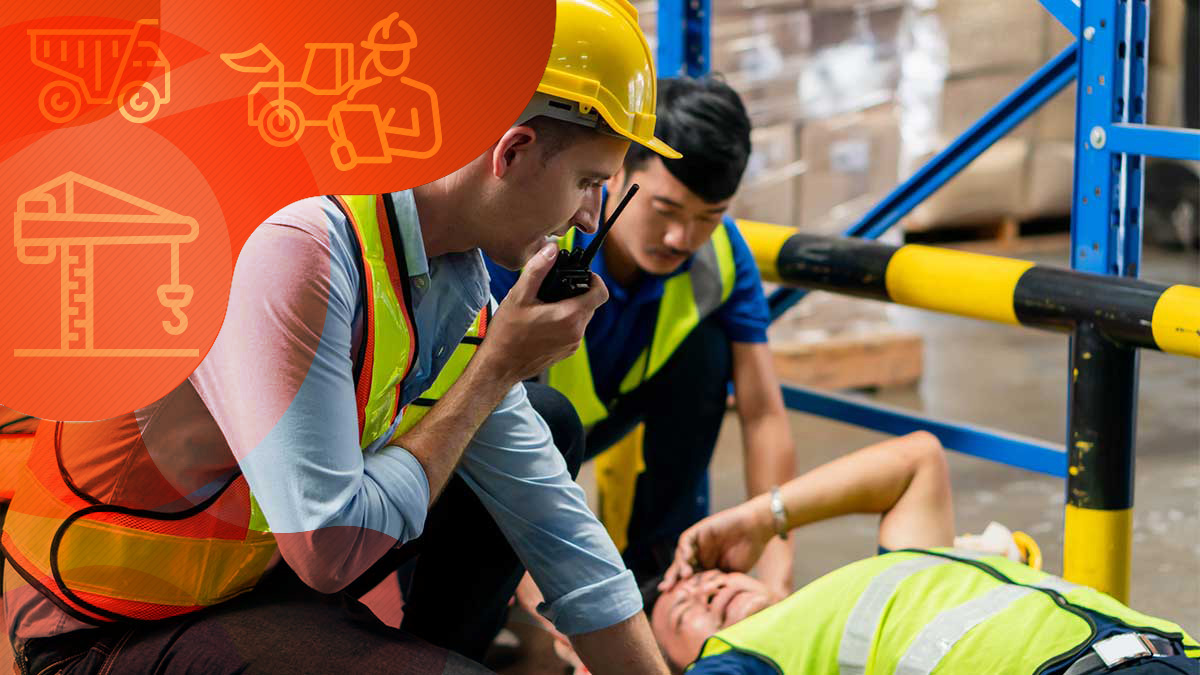
Construction is one of the most dangerous industries in the United States. Workers face serious risks every day, from heights and heavy machinery to electrical hazards and extreme heat. And the consequences when things go wrong are significant, both for the people involved and for the companies responsible for keeping them safe.
According to the Bureau of Labor Statistics, construction accounts for a disproportionate share of workplace fatalities and injuries every year despite decades of safety regulation and training programs. Non-fatal construction injuries alone cost the industry close to $8 billion annually in direct workers compensation costs, according to Liberty Mutual.
The good news is that most construction site accidents are preventable. Understanding what the most common types are, why they happen and what practical steps reduce the risk is the starting point for any site safety program worth having.
This guide covers the full range of construction site accidents, from OSHA's Fatal Four to equipment incidents, heat stress and vehicle hazards, along with the prevention measures that make a real difference.
Why Construction Sites Are High Risk Environments
Construction sites are not like most workplaces. They are dynamic, constantly changing environments where dozens of contractors and trades work in close proximity, often under time pressure and in conditions that vary daily. That combination creates a level of risk that most other industries simply do not face.
A few factors make construction sites particularly hazardous:
Work at height. A significant portion of construction work happens above ground level, whether on scaffolding, rooftops, ladders or elevated platforms. The margin for error is small and the consequences of a fall are serious.
Heavy equipment and moving parts. Cranes, excavators, forklifts and power tools operate constantly on active sites. Workers on foot share the same space as machinery that can cause severe injury in seconds.
Changing site conditions. What was safe yesterday may not be safe today. Excavations deepen, structures go up, materials arrive and get stacked, and weather changes the surface conditions underfoot. Hazards evolve faster than they can always be communicated.
Multiple employers and crews. On larger projects, workers from different companies with different training, languages and safety cultures work side by side. Coordinating safety across that many stakeholders is a genuine challenge.
Time and cost pressure. Deadlines and budgets create pressure to move fast. That pressure, when not managed carefully, is one of the most consistent contributors to shortcuts that lead to accidents.
Understanding these underlying conditions is important because it explains why construction site accidents are rarely the result of a single mistake. They are usually the product of several risk factors converging at the same time.
OSHA's Fatal Four: The Leading Causes of Construction Fatalities
Every year, OSHA publishes data on the leading causes of construction fatalities. Four categories consistently account for the majority of deaths on construction sites. They are known as the
Fatal Four, and eliminating them would save hundreds of lives annually.
Here is where each one stands and what site managers can do about them:
Falls
Falls are the single leading cause of death in construction, accounting for roughly one third of all construction fatalities each year according to OSHA. They occur from rooftops, scaffolding, ladders, elevated platforms and floor openings.
The most common contributing factors are:
- No fall protection system in place
- Improperly installed or maintained scaffolding
- Failure to use personal fall arrest equipment
- Unprotected edges and floor openings
Prevention starts with a written fall protection plan for every job. Workers at heights of six feet or more are required by OSHA to have fall protection in place, whether that means guardrails, safety nets or personal fall arrest systems. Regular inspections of scaffolding and elevated surfaces are non-negotiable.
Struck-by Incidents
Struck-by accidents occur when a worker is hit by a flying, falling, swinging or rolling object. They are the second leading cause of construction fatalities and include everything from tools dropped from upper levels to workers struck by vehicles or equipment on site.
High visibility PPE is one of the most effective preventive measures, particularly for workers operating near vehicles and heavy machinery. Tool tethering systems prevent dropped tools from becoming projectiles. Clearly marked exclusion zones around cranes and heavy equipment keep workers at a safe distance during operations.
Electrocution
Electrocution accounts for a significant share of construction fatalities each year and is largely preventable. The most common causes are contact with overhead power lines, use of damaged electrical equipment and improper grounding.
Site managers should ensure that all power tools and extension cords are inspected before each use and taken out of service immediately if damaged. Overhead power lines should be clearly identified and minimum clearance distances enforced. Lockout and tagout procedures should be in place and followed consistently whenever electrical systems are being worked on.
Caught-Between Accidents
Caught-between incidents occur when a worker is caught, crushed or compressed between two objects. Common scenarios include trench cave-ins, workers caught between rotating equipment and machinery, and materials shifting during storage or transport.
Trench safety is one of the most regulated areas of construction for good reason. Cave-ins can happen without warning and are almost always fatal. OSHA requires protective systems for any trench deeper than five feet. Beyond trenching, workers should maintain awareness of equipment swing radius, and stored materials should be properly secured to prevent shifting.
Fatal Four Category
Share of Construction Fatalities
Primary Prevention Measure
Falls
~36%
Fall protection systems, guardrails, harnesses
Struck-by
~16%
High visibility PPE, exclusion zones, tool tethering
Electrocution
~9%
Equipment inspection, lockout/tagout, line clearance
Caught-Between
~8%
Trench protection, equipment awareness, secured materials
Other Common Construction Site Accidents
The Fatal Four get the most attention because they are the leading causes of fatalities. But construction sites present a broader range of hazards that injure thousands of workers every year.
These are the ones that every site safety plan should also address.
Slips and Trips
Slips and trips are among the most frequent non-fatal injuries on construction sites. Uneven surfaces, loose materials, poor lighting and wet ground are the most common culprits. Keep walkways clear at the start and end of every shift, use temporary fencing to restrict access to hazardous areas and ensure adequate lighting throughout the site.
Equipment and Machinery Accidents
Heavy equipment represents a significant source of injury beyond the struck-by category, including rollovers, mechanical failures and accidents involving undertrained operators. A documented inspection and maintenance schedule, certified operator training and the use of spotters in low visibility areas are the core prevention measures.
Heat Stress and Overexertion
Construction workers doing physically demanding work in high temperatures face serious risk of heat exhaustion and heat stroke. Provide shaded rest areas, access to water and schedule the most demanding work during cooler parts of the day. Train supervisors to recognize early signs of heat illness before they become emergencies.
Hazardous Materials Exposure
Silica dust, asbestos, lead paint and chemical solvents are common on construction sites and pose serious long term health risks. Exposure controls should be defined before work begins, including respiratory protection, wet cutting methods and proper ventilation in enclosed spaces.
Vehicle and Transportation Accidents
Construction sites are busy with vehicles and workers on foot sharing the same space. Clearly marked vehicle routes that separate pedestrian and vehicle traffic, enforced speed limits and mandatory high visibility clothing for anyone near vehicle routes are the most effective controls.
How to Prevent Construction Site Accidents
Understanding the types of accidents is the first step. Preventing them requires a systematic approach that runs through every phase of the project. These are the practices that make the biggest difference:
- Conduct a pre-construction safety assessment
Before work begins, identify the specific hazards present on the site and the controls needed to address them. This includes fall risks, electrical hazards, equipment routes, material storage areas and any site-specific conditions like proximity to traffic or existing structures.
- Hold regular safety meetings
Daily or weekly toolbox talks keep safety top of mind for the entire crew. They are also an opportunity to flag new hazards as site conditions change. Short, focused and consistent is more effective than occasional lengthy sessions.
- Enforce PPE requirements consistently
PPE only works when it is worn correctly every time. Hard hats, high visibility vests, steel toed boots, gloves and appropriate respiratory protection should be required and enforced across all trades, not just when an inspector is on site.
- Inspect the site daily
A daily walkthrough by the site supervisor or safety officer catches hazards before they cause accidents. Inspections should be documented, and any issues identified should be assigned for correction with a clear deadline.
- Train workers before they start
Every worker on site should receive a site-specific safety orientation before beginning work. This covers the hazards present, the controls in place, emergency procedures and who to contact if they identify a problem.
- Maintain a clean and organized site
A cluttered site is a dangerous site. Clear walkways, properly stored materials, secured equipment and good housekeeping practices reduce the risk of slips, trips and struck-by incidents significantly.
- Have a clear emergency response plan
Every site should have a documented plan for responding to accidents, including first aid procedures, emergency contacts, evacuation routes and the location of first aid equipment. Workers should know the plan before they need it.
The Role of Site Organization and Perimeter Security
A well-organized, properly secured construction site is one of the most effective accident prevention measures available. It does not replace fall protection, PPE or safety training, but it creates the physical conditions that make everything else easier to enforce.
Perimeter fencing is the foundation. It keeps unauthorized people off the site, restricts worker access to hazardous areas and creates a clear boundary between the construction zone and the public. But fencing only works when it is stable. A fence that shifts, leans or falls over in wind or adverse weather becomes a hazard itself, adding to the trip and slip risks it was meant to reduce.
Proper anchoring is what makes temporary fencing reliable. Rubber or plastic anchor bases provide the stability needed to keep panels upright in varying ground and weather conditions, without the bulk and scatter risk of sandbags. High visibility detailing on the bases also adds an additional safety layer in low light conditions.
Beyond the perimeter, internal organization matters just as much. A site where everything has a place reduces the conditions that lead to accidents. The basics to get right:
- Clearly marked pedestrian routes separated from vehicle lanes
- Designated material storage areas away from active work zones
- Defined vehicle entry and exit points
- Consistent housekeeping at the start and end of every shift
- Adequate lighting in all work areas including enclosed spaces
SONCO's temporary fencing and anchor base systems are built for exactly this kind of environment. Browse our construction site safety products or reach out to a specialist to find the right setup for your site.
Frequently Asked Questions
What are the most common construction site accidents?
The most common construction site accidents fall into two groups. The Fatal Four, which are the leading causes of fatalities, include falls, struck-by incidents, electrocution and caught-between accidents. Beyond those, slips and trips, equipment accidents, heat stress, hazardous materials exposure and vehicle incidents account for the majority of non-fatal injuries on construction sites.
What are OSHA's Fatal Four in construction?
OSHA's Fatal Four are the four categories of accidents that account for the majority of construction fatalities every year. They are falls, struck-by incidents, electrocution and caught-between accidents. Eliminating these four categories alone would save hundreds of lives annually according to OSHA.
Who is responsible for safety on a construction site?
Safety on a construction site is a shared responsibility. The general contractor is responsible for overall site safety and ensuring that all subcontractors comply with safety requirements. Individual employers are responsible for the safety of their own workers. Site supervisors are responsible for enforcing safety standards day to day. And every worker has a responsibility to follow safety procedures and report hazards when they see them.
What PPE is required on a construction site?
Minimum PPE requirements on most construction sites include a hard hat, high visibility vest, steel toed boots and safety glasses. Additional requirements depend on the type of work being performed. Work at height requires fall arrest equipment. Work involving dust or chemical exposure requires appropriate respiratory protection. Work near electrical hazards requires insulated gloves and footwear. OSHA sets the minimum standards, but individual contracts and site rules may require more.
How can construction site accidents be prevented?
Prevention starts with identifying hazards before work begins and putting controls in place to address them. The most effective measures include a written site safety plan, consistent PPE enforcement, regular site inspections, daily safety briefings, proper equipment maintenance and a clean organized site. Most construction accidents are preventable when the right systems are in place and followed consistently.
What should I do if an accident happens on a construction site?
The first priority is to ensure the injured person receives immediate medical attention. Call emergency services if needed and do not move an injured person unless they are in immediate danger. Secure the area to prevent further incidents. Notify the relevant supervisors and document the incident as soon as it is safe to do so. OSHA requires employers to report fatalities within eight hours and hospitalizations, amputations or eye losses within 24 hours. A thorough incident investigation should follow to identify the cause and prevent recurrence.
Build a Safer Job Site from the Ground Up
Most construction site accidents are preventable. The right perimeter security keeps unauthorized people out and hazardous areas clearly defined. The right PPE ensures every worker on site has the protection they need for the work they are doing.
SONCO carries temporary fencing, anchor bases, high visibility vests, hard hats and a full range of construction site safety equipment.
Browse our catalog or reach out to a specialist to find the right setup for your site.


Trend now

Theme Park Safety: Avoiding Fines and Accidents with Crowd Control
Learn how crowd control products help keep theme parks safe, avoid accidents, and improve operations. Explore SONCO’s solutions for better crowd management.

Anti Scale Fence for Temporary High-Security Needs
Learn what an anti scale fence is, how it works and when to use one. Covers climb resistance, projectile protection, accessories and deployment best practices.

Why Bike Rack Barricades Are the Go-To Choice for Crowd Control
Explore why bike rack barricades are the go-to for crowd control. Learn how these versatile, durable barriers keep events, construction sites, and more organized.
Search for category
Request a quote now! 