







Construction Barricade: A Practical Guide for Safer Jobsites
Learn how construction barricades help control access, guide traffic, and reduce jobsite risks. Compare barricade types, placement tips, and best practices.

SONCO Safety Marketplace, April 8, 2020
Read more about the author


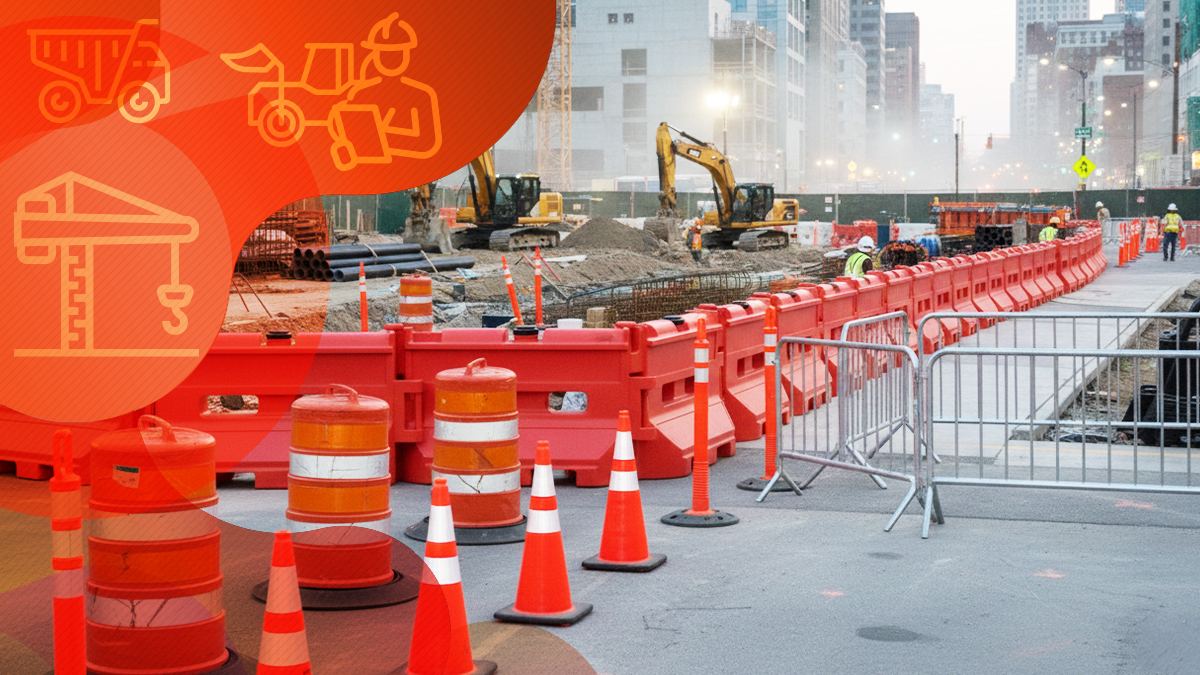
The construction barricade helps control movement around hazards, separate people from active work zones, and reduce confusion on busy jobsites.
When access points, walk paths, and restricted areas are clearly defined, crews can work more efficiently and safety risks drop.
From short term repairs to long term projects, choosing the right construction barricades makes it easier to manage changing site conditions, inspections, and daily operations.
In this guide, we cover how construction barricades are used, the different types available, and what to consider when selecting the right option for your site.
What Are Construction Barricades
Construction barricades are physical barriers used to control access and movement on construction sites.
They help separate people, vehicles, and equipment from hazardous or restricted areas while work is in progress.
Unlike cones or signs alone, construction barricades create a clear physical boundary. This makes it easier to guide foot traffic, block off unsafe zones, and keep work areas protected throughout the day.
Construction barricades are commonly used to:
- Block access to active work zones
- Guide pedestrians and vehicles around hazards
- Protect equipment and materials
- Define temporary paths and perimeters
They are often combined with signage, temp fencing, or visual markers to improve visibility and communication on the site.
The right barricade setup depends on traffic flow, job duration, and the type of work being done.

Why Construction Barricades Are Used on Jobsites
Construction barricades help manage day to day activity on a jobsite by creating clear boundaries and reducing uncertainty around hazardous areas.
They are commonly used to:
Improve Jobsite Safety
Barricades help separate workers, pedestrians, and vehicles from active work zones, lowering the risk of accidental entry and on site incidents.
Control Access to Hazard Areas
By blocking off restricted zones, construction barricades limit access to areas with heavy equipment, open trenches, or temporary hazards.
Protect Equipment and Work Zones
Barricades help prevent damage to tools, materials, and ongoing work, especially in high traffic areas where space is limited.
Support Compliance and Inspections
Clear barricade placement helps sites meet safety expectations during inspections and shows that hazards are being actively managed.
When used correctly, construction barricades help keep sites organized, visible, and easier to manage as conditions change.
Planning Construction Barricade Placement
Good placement is just as important as choosing the right barricade. Poorly placed construction barricades can create confusion, block access, or introduce new risks on the jobsite.
Start With a Risk Assessment
Before placing barricades, it helps to identify where hazards exist and how people move through the site. This includes equipment paths, pedestrian routes, delivery areas, and emergency access points.
Match Placement to the Duration of the Work
Short term work may need temporary barricades that are easy to move, while long term projects often require sturdier setups that stay in place for weeks or months.
Leave Clear Space Around Hazards
Construction barricades should be placed far enough from hazards to give people time to stop, turn, or reroute safely. Tight spacing can reduce visibility and limit reaction time.
Keep Paths and Exits Clear
Barricades should never block walkways, exits, or access needed for emergency response. Clear routes help keep the site functional and compliant throughout the project.
Types of Construction Barricades
Different jobsites require different types of construction barricades.
The right option depends on traffic type, exposure to hazards, and how long the barricade needs to stay in place.
Traffic Cones and Drums
These are commonly used for short term work and traffic guidance. They are easy to deploy and highly visible, but they do not provide strong physical separation on their own.


Water Filled and Jersey Barriers
These barricades are used when vehicle impact protection is needed. Their weight and size make them suitable for roadwork, lane separation, and areas with moving traffic.


Temporary Fence Panels
Temporary fence panels help secure perimeters and restrict access over a wider area. They are commonly used for longer projects and can be combined with screens or signage.


Metal Construction Barricades
Metal barricades provide stronger physical control and are often used to manage pedestrian access around work zones. They are durable and work well in high traffic areas.
Bike Rack Style Barricades
These barricades are useful for guiding foot traffic and forming temporary paths. They are often used near entrances, walkways, and areas where people need clear direction.


Temporary vs Permanent Construction Barricades
Not every jobsite needs the same level of barricading. Choosing between temporary and permanent construction barricades depends on how long the work will last and how the site will be used.
Temporary Construction Barricades
Temporary barricades are designed for short term or changing site conditions. They are easy to move and adjust as work progresses.
They are often used for:
- Repairs and maintenance
- Utility work
- Areas with frequent layout changes
Permanent Construction Barricades
Permanent barricades are used when hazards remain in place for extended periods or when consistent separation is needed.
They are commonly installed for:
- Long term projects
- Fixed work zones or access points
- Areas that require ongoing protection
Understanding how long a barricade will be needed helps avoid unnecessary adjustments and supports safer site planning.

Construction Barricade Maintenance and Inspections
Construction barricades need regular checks to stay effective as site conditions change. Weather, equipment movement, and daily traffic can all affect placement and stability.
Regular inspections should focus on:
- Barricades that have shifted, tipped, or created gaps
- Damaged panels, connectors, or bases
- Blocked walkways, exits, or access routes
- Reduced visibility due to dirt or wear
Barricades should be adjusted or replaced as soon as issues are identified.
Keeping construction barricades in good condition helps maintain clear boundaries and reduces the risk of new hazards forming over time.

Construction Barricades and Safety Compliance
Construction barricades help sites meet safety expectations by clearly separating people from hazards and active work areas.
While requirements can vary, proper barricading plays a key role during inspections and daily operations.
OSHA Guidance
The Occupational Safety and Health Administration (OSHA) outlines general safety expectations for controlling access to hazardous areas. Using construction barricades to block off risks and guide movement helps align with these workplace safety guidelines.
ANSI Standards
The American National Standards Institute (ANSI) standards focus on visibility, placement, and warning methods. Barricades that are easy to see and clearly positioned help communicate hazards more effectively.
Local and Site Specific Requirements
Some projects may have additional rules based on location or scope. Site plans, traffic control requirements, and local authorities may all influence barricade selection and placement.
Common Mistakes with Construction Barricades
Even when construction barricades are on site, poor setup can still create safety issues. Many problems come from small oversights that are easy to avoid with better planning.
Common mistakes include:
- Using the wrong type of barricade for the hazard
Lightweight barricades may not provide enough separation in high traffic or vehicle exposed areas.
- Poor spacing or placement
Barricades placed too close to a hazard can limit reaction time, while barricades placed too far away can confuse traffic flow.
- Missing or unclear signage
Barricades without clear visual cues can leave people unsure where to go or why access is restricted.
- Ignoring changes in site conditions
As work progresses, layouts change. Failing to adjust barricades can create new risks.
- Lack of regular inspections
Barricades that shift, tip, or become damaged over time lose their effectiveness.
Avoiding these mistakes helps construction barricades do their job properly and keeps sites safer and more organized.
Construction Barricade FAQs
When are construction barricades required
Construction barricades are required whenever there is a need to separate people from hazards, control access to work zones, or guide traffic safely around active work areas.
What type of construction barricade is best for pedestrians?
Pedestrian areas often use metal barricades, bike rack style barricades, or temporary fencing, depending on foot traffic volume and how long the barricade needs to stay in place.
Are construction barricades required indoors?
Yes. Indoor work zones often require construction barricades to block off hazards, protect workers, and guide foot traffic, especially during renovations or maintenance work.
How often should construction barricades be inspected?
Construction barricades should be checked daily or whenever site conditions change. Regular inspections help confirm that barricades are stable, visible, and placed correctly.

Construction Barricade Solutions from SONCO
Choosing the right construction barricades is easier when you work with a supplier that understands real jobsite needs.
Different projects come with different challenges, and the right setup depends on traffic flow, exposure to hazards, and how long the barricades will be in place.
SONCO supports construction teams with:
- Fast nationwide delivery so barricades arrive when projects move forward
- Expert guidance to help select the right barricade type for each jobsite condition
- Competitive pricing built for contractors, rentals, and long term projects
- A wide range of construction barricades for pedestrian control, vehicle separation, and perimeter protection
- Reliable inventory that works for both short term and long term use
View available construction barricade options or request a quote to build a setup that fits your site, schedule, and budget.

Trend now

Theme Park Safety: Avoiding Fines and Accidents with Crowd Control
Learn how crowd control products help keep theme parks safe, avoid accidents, and improve operations. Explore SONCO’s solutions for better crowd management.

Anti Scale Fence for Temporary High-Security Needs
Learn what an anti scale fence is, how it works and when to use one. Covers climb resistance, projectile protection, accessories and deployment best practices.

Why Bike Rack Barricades Are the Go-To Choice for Crowd Control
Explore why bike rack barricades are the go-to for crowd control. Learn how these versatile, durable barriers keep events, construction sites, and more organized.
Search for category
Request a quote now! 